Free Guide to Technical Surveillance Counter-Measures (TSCM) for Diplomatic Missions
Jump to Section
Understanding TSCM in a Diplomatic Context
Technical Surveillance Counter-Measures (TSCM), commonly known as "bug sweeping," is a rigorous process designed to detect and neutralize unauthorized eavesdropping devices and security vulnerabilities within a sensitive environment. For diplomatic missions, TSCM is not merely a technical checkbox; it is a fundamental pillar of national security and international relations.
In the world of diplomacy, information is the most valuable currency. Negotiating positions, trade agreements, and intelligence briefings are highly sensitive. A breach in the physical or electronic security of an embassy can lead to catastrophic geopolitical consequences, loss of bargaining power, or even endanger the lives of diplomatic personnel and their sources.
Why Diplomatic Missions are Primary Targets
Embassies and consulates are unique because they occupy sovereign territory in a host nation that may not always be friendly. This creates a complex threat landscape. State-sponsored actors, industrial spies, and even radicalized groups view diplomatic missions as high-value targets for data exfiltration.
Hostile intelligence services often utilize sophisticated methods to "penetrate the walls" without physically entering. They target the infrastructure that keeps a mission running—power lines, HVAC systems, and telecommunications cables—turning seemingly benign objects into conduits for espionage.
Types of Modern Surveillance Threats
Surveillance has evolved far beyond the simple microphone hidden in a flower pot. Modern threats include:
- Radio Frequency (RF) Transmitters: Devices that broadcast audio or video signals over the airwaves using sophisticated modulation to evade standard detection.
- Optical and Laser Surveillance: Using laser beams to measure the vibrations of window glass to reconstruct speech from inside a room.
- Conductive Threats: Utilizing the building’s internal wiring (power, Ethernet, telephone lines) to transmit data back to a remote listener.
- Passive Resonators: Devices that do not emit a signal until they are "illuminated" by an external energy source, making them incredibly difficult to find during standard sweeps.
- Compromised IT Infrastructure: Hardware-based keyloggers or malware embedded in hardware components like routers and servers.
The Core Phases of a TSCM Inspection
A professional TSCM sweep is a systematic process divided into several critical phases. It requires specialized equipment that often costs hundreds of thousands of dollars and technicians with years of training.
1. Threat Assessment and Pre-Sweep Planning: Before the sweep begins, technicians analyze the specific risks facing the mission. This includes reviewing building blueprints, identifying high-risk areas (like the SCIF or Ambassador's office), and assessing the electronic environment.
2. Physical Inspection: A meticulous manual search for physical evidence of tampering. This involves inspecting furniture, ceilings, wall plates, and office equipment. Often, a Non-Linear Junction Detector (NLJD) is used to find electronic components even if they are turned off.
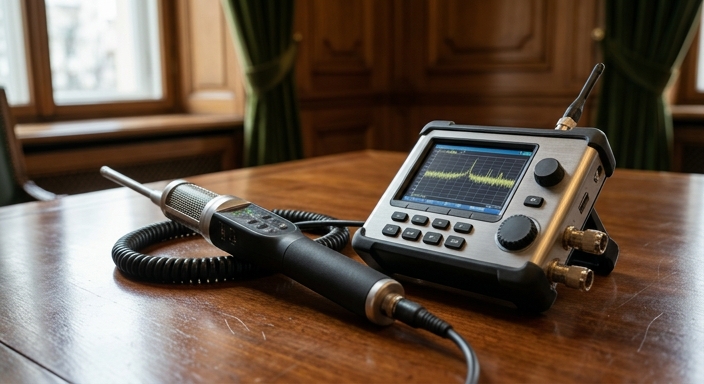
3. Technical Electronic Search: This involves using spectrum analyzers to scan for unauthorized RF signals across a wide range of frequencies. Technicians also perform thermal imaging to find "hot spots" that indicate active electronics hidden behind walls or inside objects.
4. Telephone and Line Analysis: Checking all communication lines for physical taps or electronic modifications that could allow for "on-hook" audio monitoring.
Operational Best Practices for Embassy Staff
While professional TSCM sweeps are essential, the daily habits of staff members are the first line of defense. Diplomatic personnel should adhere to the following protocols:
- Strict Access Control: Ensure that all visitors, including cleaning crews and maintenance workers, are escorted at all times in sensitive areas.
- Visual Inspections: Staff should be trained to look for subtle signs of tampering, such as dust on a desk that wasn't there before, new wall fixtures, or loose ceiling tiles.
- Mobile Device Discipline: Mobile phones and personal electronics should be strictly prohibited in secure conference rooms. Use acoustic masking devices (white noise generators) during high-level meetings.
- Chain of Custody: All new furniture or technical equipment entering the mission must be thoroughly inspected before being placed in sensitive zones.
Recommended Frequency for Sweeps
TSCM is not a one-time event; it is a recurring necessity. The frequency of sweeps should be dictated by the current threat level, but general guidelines suggest:
- Quarterly: For high-profile embassies in non-allied nations.
- Bi-Annually: For standard diplomatic missions and consulates.
- Event-Driven: Immediately following any major construction, maintenance work by local contractors, or suspected security breaches.
Frequently Asked Questions
Can we perform a TSCM sweep using off-the-shelf "bug detectors"?
No. Consumer-grade detectors are largely ineffective against professional-grade espionage equipment, which often uses frequency hopping or low-power bursts to evade simple scanners.
What is a SCIF?
A Sensitive Compartmented Information Facility (SCIF) is an enclosed area within a building that is used to process classified information. It has specific physical and electronic security requirements that exceed standard offices.
How long does a typical embassy sweep take?
Depending on the size of the facility and the depth of the inspection, a sweep can take anywhere from two days to over a week for a full diplomatic compound.
Are host nations allowed to monitor embassy communications?
Under the Vienna Convention on Diplomatic Relations, the host nation is required to protect the mission and its communications. However, in practice, many nations attempt surveillance, making TSCM an essential defensive tool.